
Staples are essential office supplies that are widely used to bind papers together for organizational purposes. Whether you’re working in an office, classroom, or at home, staples are used daily for document management and organization. With various types of staples available, each is designed to fit specific stapling needs based on size, material, and usage. Understanding the different types of staples and their features will help users select the most suitable staples for their tasks.
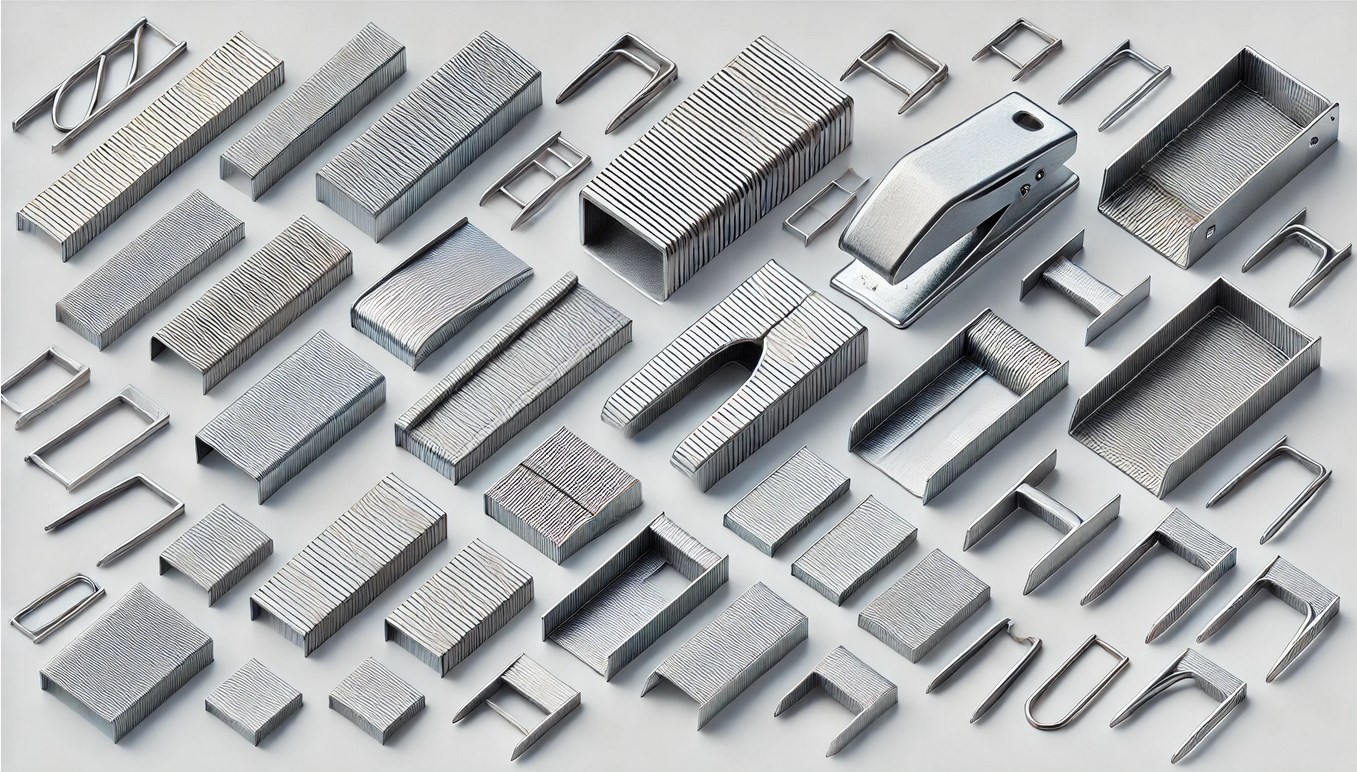
Standard Staples
Standard staples are the most common and widely used type of staple. They are designed for everyday stapling tasks in offices, schools, and homes. These staples are typically used to bind a few sheets of paper together, offering a reliable and cost-effective solution for general stapling needs.
Features of Standard Staples:
- Common Size: Standard staples usually come in a size of 26/6 or 24/6, making them suitable for stapling between 2 to 30 sheets of standard 20-pound paper.
- Widely Available: Standard staples are readily available and compatible with most basic staplers, making them an affordable and accessible option for general stapling tasks.
Standard staples are perfect for routine tasks such as stapling homework assignments, documents, and basic office paperwork.
Heavy-Duty Staples
Heavy-duty staples are designed for stapling thicker stacks of paper or more rigid materials. They are ideal for use in heavy-duty staplers and can staple up to 100 sheets of paper or more, depending on the staple size.
Features of Heavy-Duty Staples:
- Thicker and Larger Design: These staples are made from thicker metal wire, making them stronger and more capable of stapling through large stacks of paper without bending or breaking.
- Higher Stapling Capacity: Heavy-duty staples are capable of stapling thicker stacks of paper, ranging from 50 to 100 sheets, which makes them suitable for use in environments that require large-volume stapling.
Heavy-duty staples are used in industrial, office, or educational settings where multiple sheets or thicker materials like cardstock or heavy paper need to be stapled together.
Fine Wire Staples
Fine wire staples are smaller and thinner than standard staples, making them ideal for use in situations where the staple needs to be less noticeable or where delicate stapling is required. These staples are often used in industries like publishing, printing, and graphic design.
Features of Fine Wire Staples:
- Slim Profile: Fine wire staples have a thinner profile, making them less obtrusive when applied, providing a cleaner and more professional look for documents.
- Delicate Stapling: The thinner wire ensures that the staples are easier to remove or less visible on thin or delicate papers, making them ideal for sensitive or high-quality materials.
Fine wire staples are popular in graphic design, publishing, and art-related projects where appearance and precision are important.
Tacker Staples
Tacker staples, also known as upholstery or heavy-duty stapler staples, are specifically designed for stapling materials like fabric, leather, and thick cardboard. They are often used in industries like furniture manufacturing, construction, and automotive upholstery.
Features of Tacker Staples:
- Strong and Durable: Tacker staples are made from stronger, more durable steel wire, allowing them to penetrate and fasten tough materials like fabric, carpeting, or even insulation.
- Larger and Heavier: These staples are typically larger and thicker, providing better holding power for materials that require a secure and lasting bind.
Tacker staples are commonly used in upholstery, construction, and other heavy-duty environments where stapling through tough materials is necessary.
Paper Clinch Staples
Paper clinch staples are a type of staple that binds papers together without the need for a traditional staple pin. These staples create a folded clinch at the back of the paper, offering a more eco-friendly option for binding documents.
Features of Paper Clinch Staples:
- No Visible Staple: These staples leave no visible staple pin on the back of the paper, which provides a clean and professional look for presentations, reports, and official documents.
- Eco-Friendly: Since they don’t require staple pins, paper clinch staples offer an environmentally friendly solution for binding papers together, reducing waste.
Paper clinch staples are popular in offices, schools, and organizations that prioritize sustainability and clean, professional binding for documents.
Carton Staples
Carton staples are large staples designed specifically for stapling thick materials like cardboard, plastic, or packing boxes. These staples are often used in packaging, shipping, and warehousing industries.
Features of Carton Staples:
- Larger Size and Strength: Carton staples are larger and stronger than typical paper staples, allowing them to securely fasten heavy-duty materials such as cardboard, packaging, and boxes.
- Rugged Construction: These staples are made from hardened steel or other strong materials to ensure they maintain their strength even under heavy usage in industrial environments.
Carton staples are essential in warehouses, distribution centers, and packaging operations, where large boxes or materials need to be securely fastened for shipping and storage.
U-Shape Staples
U-shape staples, also known as “u-nails,” are designed for stapling materials like fabric, foam, insulation, or other materials used in upholstery. The U-shaped design allows for deeper penetration into thicker materials, making them a favorite in the upholstery and textile industries.
Features of U-Shape Staples:
- Deeper Penetration: The U-shaped design allows the staple to penetrate thicker materials, such as foam, fabric, and upholstery, more effectively.
- Wide Legs for Secure Binding: The wide legs of U-shape staples ensure a secure hold, preventing materials from shifting or coming loose over time.
U-shape staples are widely used in upholstery, furniture manufacturing, and automotive industries where strong, secure stapling of fabrics and padding is necessary.
Crown Staples
Crown staples are a type of staple with a wide, flat crown that is ideal for stapling thicker materials. The broad design of the crown ensures a stronger hold, making these staples suitable for use with industrial staplers.
Features of Crown Staples:
- Wide Crown Design: The wide crown of these staples ensures better surface area contact, making them suitable for binding thick, heavy papers or multiple layers of materials.
- Stronger Hold: The larger crown provides a stronger, more secure bind, especially when working with heavier documents or materials that need a stronger stapling solution.
Crown staples are used in environments where thicker materials such as card stock, large documents, or even fabrics need to be stapled securely.
Chisel Point Staples
Chisel point staples are designed with a pointed end that makes them easier to drive through thicker or harder materials. The chisel shape allows for more effective stapling, especially for tasks that involve tougher materials like corrugated cardboard.
Features of Chisel Point Staples:
- Pointed Tips for Efficient Stapling: The chisel point ensures that the staple can easily penetrate tougher materials, reducing the amount of force required for stapling.
- Durability: Chisel point staples are made from stronger steel wire, ensuring they can withstand the demands of stapling harder materials, such as cardboard, wood, or other rough surfaces.
Chisel point staples are commonly used in industrial settings or packaging operations, where stapling through tough materials is often required.
Fine Wire Brads
Fine wire brads are small, thin staples designed for use in delicate applications, particularly in craft projects. These staples are commonly used in scrapbooking, card making, and other paper crafting activities.
Features of Fine Wire Brads:
- Slim Profile: The small and thin design of fine wire brads makes them perfect for delicate papers or crafts, as they don’t cause damage to the material being stapled.
- Clean Finish: The finer wire ensures that the staples leave a less noticeable mark on the surface, which is ideal for creative projects where aesthetics are important.
Fine wire brads are popular in scrapbooking, card making, and other crafts where precision and a light touch are necessary for binding small papers or embellishments.
Heavy-Duty Wire Staples
Heavy-duty wire staples are large staples made from heavy-gauge wire, designed for use in staplers that handle high-volume stapling. These staples are built to penetrate and hold together thick, heavy materials such as textiles, upholstery, or large stacks of paper.
Features of Heavy-Duty Wire Staples:
- Heavy-Gauge Steel: These staples are made from heavy-duty wire, making them strong enough to staple through thicker materials, such as textiles or large multi-page stacks of paper.
- Increased Stapling Capacity: Heavy-duty wire staples are capable of stapling larger stacks of paper or tougher materials than standard staples, making them ideal for heavy-duty staplers.
Heavy-duty wire staples are commonly used in commercial settings, such as furniture manufacturing, textile industries, and shipping, where robust stapling solutions are needed.
Narrow Crown Staples
Narrow crown staples are designed with a smaller, thinner crown compared to traditional crown staples. They are often used for tasks where a more discrete or narrow stapling solution is required, such as binding paper or lightweight materials.
Features of Narrow Crown Staples:
- Slim Crown for Neat Staples: The narrow crown provides a more subtle stapling effect, leaving a smaller impression on the paper or material.
- Ideal for Light Materials: Narrow crown staples are best suited for lightweight materials, such as paper or thin fabric, where a larger staple would be too bulky or noticeable.
Narrow crown staples are ideal for offices, schools, and homes where more delicate or lightweight materials need to be stapled together, especially in paperwork or document management tasks.
Pneumatic Staples
Pneumatic staples are designed to be used with pneumatic staplers, which are powered by compressed air. These staples are typically larger and stronger, making them ideal for high-speed, heavy-duty stapling tasks in industrial settings.
Features of Pneumatic Staples:
- Fast Stapling: Pneumatic staples are used in pneumatic staplers that allow for faster, high-efficiency stapling of thick or large materials.
- Powerful Penetration: These staples are designed to penetrate tough materials, such as wood, thick cardboard, or heavy upholstery, making them ideal for industrial applications.
Pneumatic staples are commonly used in warehouses, factories, and other industrial environments where stapling high volumes of tough materials needs to be done quickly and efficiently.
Binding Staples
Binding staples are designed for binding large volumes of paper together, typically used in bookbinding or large document projects. These staples are larger and stronger than standard staples, ensuring that large, thick stacks of paper are held securely.
Features of Binding Staples:
- Larger Size: These staples are larger and designed to accommodate more pages, typically used to bind reports, manuals, or books.
- Strong Hold: Binding staples provide a stronger hold, ensuring that the pages stay together even under frequent handling or pressure.
Binding staples are often used in print shops, offices, and publishing houses where thick documents or booklets need to be bound together. They are also common in schools for handling multi-page assignments or project submissions.
Alligator Staples
Alligator staples are staples that are shaped to provide an extra strong and secure hold, often used in industrial and commercial settings. Their design is intended to anchor materials more firmly, offering a better grip.
Features of Alligator Staples:
- Strong Hold: The unique alligator shape allows the staple to grip materials more securely, preventing them from slipping or coming loose.
- Industrial Use: These staples are ideal for industrial applications where a firm, lasting bond is needed, such as in packaging or construction.
Alligator staples are used in industries that require extra holding power, including construction, packaging, and materials handling, where securing thick or heavy-duty materials is critical.